10. May 2026
The Signs of Dyslexia at Different Ages
If you are concerned that your child might be struggling with reading, writing, or spelling, you are already taking the most important step: paying attention.
One of the most confusing things about dyslexia is that it does not look the same in every child, and its symptoms change as a child grows. Because dyslexia is a developmental learning difference, the way it presents in a four-year-old is vastly different from how it looks in a fourteen-year-old. While an early reader might struggle to learn the alphabet, a teenager might read accurately but at a painstakingly slow pace.
Dyslexia occurs across all levels of intelligence. It is a neurobiological difference in how the brain processes language, meaning it has absolutely nothing to do with how clever your child is or how hard they are trying.
To help you understand your child’s unique learning profile, here is a highly detailed, professional guide to the signs of dyslexia at different stages of development.
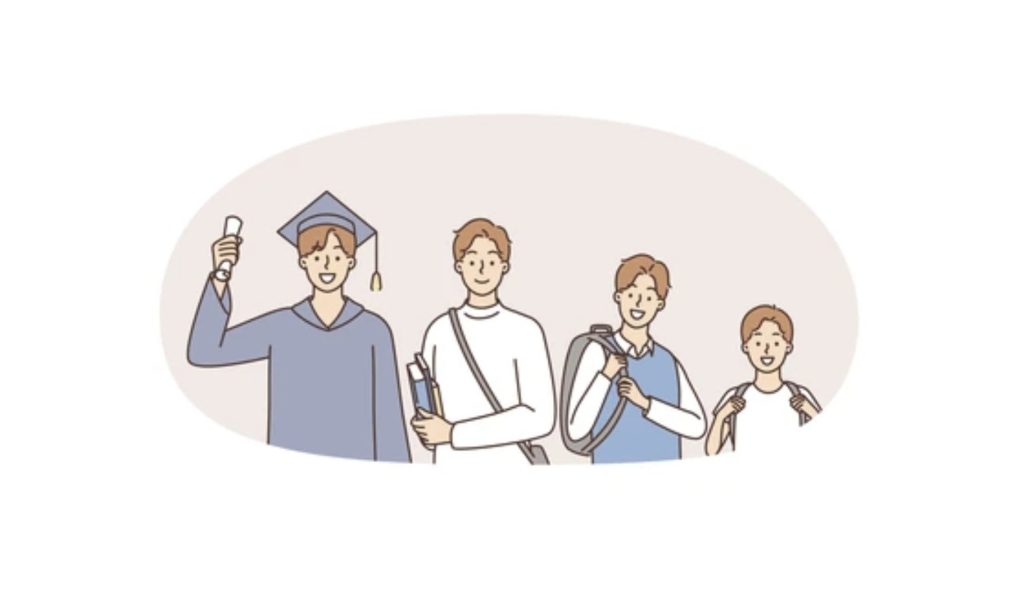
The Early Years (Preschool to Age 5)
Many parents are surprised to learn that the earliest warning signs of dyslexia often appear before a child even picks up a book. Because dyslexia is fundamentally a language-processing difficulty, the first clues are usually found in spoken language and early play.
Key signs to look out for:
- Speech and Language Delays: They may have been a "late talker" or continue to struggle with pronunciation. You might notice them jumbling up the sounds in long words (saying "lellow" instead of yellow, or "catipal" instead of capital).
- Trouble with Rhyming: By age five, most children can detect and create rhymes. A child at risk for dyslexia may show little interest in nursery rhymes, struggle to finish a rhyming sentence, or fail to recognize the "odd one out" in a group of words like cat, bat, pig, mat.
- Word-Finding Difficulties: They may know exactly what they want to say but struggle to retrieve the specific word, relying heavily on gestures or using vague words like "stuff" or "thingy."
- Difficulty Learning Letters: They may struggle significantly to remember the letters in their own name, or they may forget a letter sound one day after seeming to master it the day before.
- Family History: Dyslexia is highly hereditary. A family history of reading or spelling difficulties is one of the strongest predictors that a child may also experience dyslexia.
Primary School (Ages 6 to 11)
During these years, the focus of education shifts heavily to formal literacy. This is often when the gap between a child with dyslexia and their peers becomes most obvious. You will likely notice a "spiky profile"—meaning they have brilliant, towering strengths in areas like creative thinking or problem-solving, alongside puzzling weaknesses in basic literacy.
Key signs to look out for:
- Decoding Difficulties: They struggle to "crack the code" of reading. They may find it incredibly hard to break words down into individual sounds (segmenting) or push sounds together to read a word (blending).
- Bizarre or Phonetic Spelling: Spelling is often the most persistent struggle. They might spell words exactly as they sound (sed instead of said), leave out vowels completely, or spell the same word three different ways on the same page.
- Reading Fluency and Fatigue: Even if they manage to sound out words accurately, their reading remains slow, hesitant, and robotic. Because reading takes so much mental energy, they get exhausted and frustrated quickly, often leading to a complete avoidance of reading.
- Visual Confusions: It is normal for young children to reverse letters, but if your child continues to confuse b and d, or p and q, or read words backwards (was for saw) past the age of 7, this is a strong indicator of processing difficulties.
- Working Memory Challenges: They may struggle to follow a sequence of instructions (e.g., "Go upstairs, brush your teeth, and bring down your reading book") because their verbal working memory becomes easily overloaded. Learning times tables, the days of the week, or the months of the year by rote memory can feel nearly impossible.
Secondary School (Ages 11 to 16)
In secondary school, children are no longer "learning to read"; they are expected to "read to learn." The sheer volume of reading and writing increases dramatically, and the curriculum becomes highly fragmented. At this stage, a student with dyslexia might have mastered basic reading, but they are now battling against the clock.
Key signs to look out for:
- The "Masking" Effect: Many bright teenagers with dyslexia develop a good sight vocabulary and can read accurately, but they read very slowly. They may have to re-read a paragraph three or four times to actually absorb the meaning because so much brain power is still going into decoding the words.
- Written Expression vs. Oral Ability: There is often a heartbreaking discrepancy between what the student knows and what they can put on paper. They may offer brilliant insights during class discussions but produce brief, simplistic written work because they restrict their vocabulary to words they know how to spell.
- Note-Taking Struggles: Listening to a teacher speak while simultaneously trying to write down notes is incredibly taxing for the dyslexic brain. They will often miss key information or produce illegible, disorganized notes.
- Persistent Spelling Issues: Spelling remains a major hurdle, especially with complex, multi-syllable words or subject-specific vocabulary (like in Science or Geography). They may struggle to proofread their own work, unable to spot obvious errors.
- Difficulty with Foreign Languages: The phonological challenges that make English difficult often make learning a modern foreign language a massive hurdle.
- Organization and Time Management: Executive functioning overlaps heavily with dyslexia. You may see severe struggles with planning homework, meeting deadlines, or organizing their locker and school bag.
Late Teens and Adulthood (16+)
By higher education or entering the workforce, individuals with dyslexia have often developed sophisticated coping strategies. However, the underlying neurobiological differences remain. When placed under pressure—such as in timed exams or fast-paced work environments—these difficulties can re-emerge sharply.
Key signs to look out for:
- Slow Processing Speed: Reading academic texts, lengthy reports, or long emails requires significantly more time than it does for their peers.
- Structuring Written Work: Organizing complex ideas into a cohesive essay or report requires extensive drafting and re-drafting. The structural elements of writing remain challenging even if the intellectual content is exceptional.
- Continued Spelling Insecurities: They may rely heavily on spellcheckers, voice-to-text software, or having a colleague/parent proofread their work.
- Word Retrieval Under Pressure: When put on the spot in an interview, a seminar, or a meeting, they may stumble over their words or struggle to retrieve specific names and terminology, despite knowing the subject matter intimately.
- High Levels of Fatigue: Navigating a neurotypical academic or work environment is exhausting. They may experience higher levels of stress, burnout, and fatigue compared to their peers.
What to Do if You Spot These Signs
If you recognize your child in these descriptions, the most important thing to know is that dyslexia is not a barrier to success. With the right identification, tailored intervention (such as a structured, systematic phonics program), and appropriate classroom accommodations (like extra time in exams or the use of a laptop), individuals with dyslexia can absolutely thrive.
Trust your instincts. If your bright, capable child is experiencing unexpected struggles with literacy at any age, advocating for a formal assessment and targeted support is the key to unlocking their true potential.