9. May 2026
Dyslexia and Co-occurring Conditions
When your child first receives a dyslexia diagnosis, it can feel like you finally have the missing piece to a puzzle. It explains the exhausting reading sessions, the unpredictable spelling, and the massive effort it takes to get through homework. However, as time goes on, you might start to notice other struggles that do not seem to fit the classic dyslexia profile. Perhaps your child is also constantly losing their belongings, struggling to catch a ball, finding mental maths impossible, or having a hard time paying attention in class.
If this sounds familiar, your child is not alone. In fact, having "pure" dyslexia is the exception rather than the rule.
Today, experts recognise that neurodevelopmental conditions rarely travel alone. Research shows that anywhere from 40% to 70% of children with dyslexia will also meet the criteria for at least one other specific learning difficulty. This overlap is known as "co-occurrence" (or comorbidity), and understanding it is the key to unlocking the exact support your unique child needs.
Here is a detailed guide to why these overlaps happen and the most common conditions that co-occur with dyslexia.
Why Do These Conditions Overlap?
In the past, professionals tended to look at learning difficulties as entirely separate boxes. If a child struggled to read, they were put in the dyslexia box; if they couldn’t sit still, they were put in the ADHD box.
Modern science has shown us that the brain does not work this way. These conditions share many of the same underlying genetic and cognitive "building blocks." For example, both dyslexia and ADHD are heavily linked to slower processing speeds. Both dyslexia and dyspraxia are linked to difficulties with working memory. Because these conditions share so many of the same neurological roots, if a child has the genetic risk factors for one, they naturally have a higher risk for others.
The Most Common Co-occurring Conditions
1. Developmental Coordination Disorder (DCD) / Dyspraxia
While dyslexia is a language-based processing difficulty, DCD (commonly known as dyspraxia in the UK) affects fine and gross motor coordination.
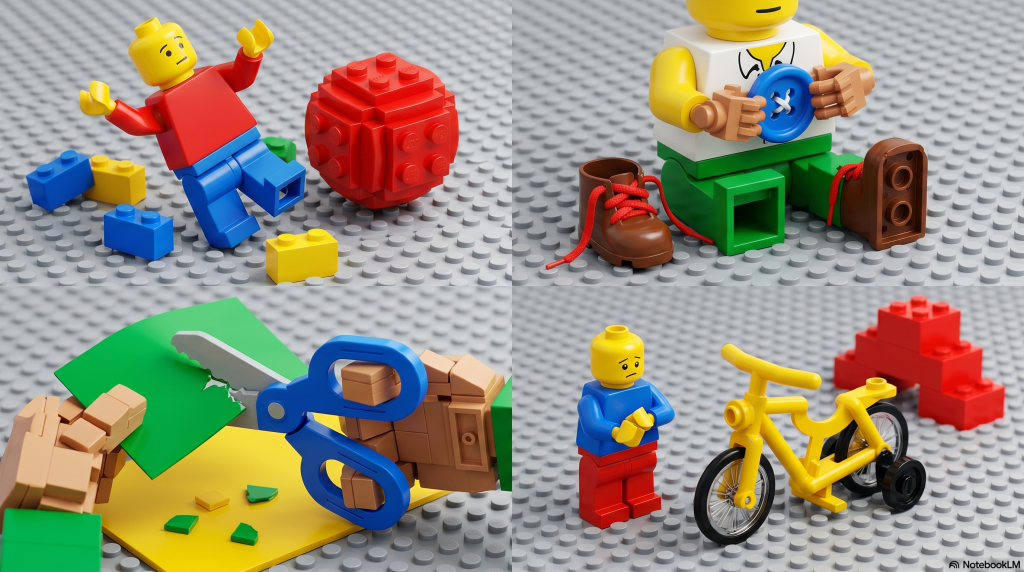
- What it looks like: A child with DCD might have been late to walk or crawl. They may seem unusually clumsy, struggle to use scissors, or have trouble pedalling a bike.
- The Classroom Overlap: Both dyslexia and DCD make writing exhausting, but for different reasons. A dyslexic child struggles with the phonetics and rules of spelling. A child with DCD struggles with the physical execution of handwriting, leading to slow, painful, and messy work. Furthermore, DCD heavily impacts visual-spatial memory and executive functioning, making personal organisation—like remembering PE kits or navigating the school timetable—a daily battle.
2. Attention Deficit Hyperactivity Disorder (ADHD)
ADHD is a neurobiological condition affecting attention, impulsivity, and hyperactivity. It is incredibly common for a child to have both dyslexia and ADHD, which can make school particularly challenging.
- What it looks like: A child might be easily distracted, highly impulsive, constantly fidgety, or prone to daydreaming.
- The Classroom Overlap: Because reading and writing are so difficult for a child with dyslexia, they can quickly become fatigued and frustrated, which sometimes looks like an attention issue. However, if a child truly has comorbid ADHD, their attention issues will be present across all areas of life, not just during reading tasks. Both conditions share significant weaknesses in working memory and processing speed.
3. Developmental Language Disorder (DLD)
Dyslexia and DLD are distinct conditions, but they frequently overlap because they both impact how the brain processes language.
- What it looks like: While dyslexia primarily affects the ability to decode written words and spell, DLD affects the ability to understand and use spoken language. A child with DLD might struggle to follow long verbal instructions, use immature grammar for their age, have a limited vocabulary, or find it hard to tell a story in the right order.
- The Classroom Overlap: Around 50% of children with early speech and language delays go on to develop dyslexia. If a child has both, they will not only struggle to read the words on the page accurately (dyslexia), but they will also struggle to understand the meaning of the sentences they are reading (DLD).
4. Dyscalculia (Specific Learning Difficulty in Mathematics)
Dyscalculia is a specific and persistent difficulty in understanding numbers and acquiring mathematical skills.
- What it looks like: A child with dyscalculia lacks an intuitive "number sense." They might struggle to tell which of two numbers is larger, still rely heavily on counting on their fingers well beyond the age their peers do, and find it nearly impossible to learn times tables, read a clock, or handle money.
- The Classroom Overlap: Many dyslexic children struggle with maths because maths is full of language (like confusing word problems) and requires strong working memory to hold numbers in mind while calculating. However, a child with comorbid dyscalculia struggles with the core concept of numerosity and magnitude itself.
What This Means for Your Child
When we stop trying to force children into a single diagnostic label, we can start providing the tailored support they actually need. Assessors today look for a "spiky profile"—a unique chart of incredible, towering strengths alongside unexpected, sharp weaknesses.
If you suspect your child has more than just dyslexia, here is what you can do:
- Look at the Whole Child: Observe your child's struggles outside of reading and spelling. Are they struggling with balance? Do they forget instructions immediately? Does maths cause severe anxiety? Keep a log of these observations.
- Advocate for Comprehensive Assessment: If you are seeking a formal assessment, ensure the assessor knows about your broader concerns. Modern dyslexia assessments should investigate cognitive building blocks like working memory, processing speed, and language skills, which can flag the need to investigate other conditions.
- Tailor the Interventions: A child with a dual diagnosis needs dual support. For example, a child with both dyslexia and dyspraxia won't just need a phonics-based reading tutor; they might also need an occupational therapist and permission to type their exams instead of handwriting them.
Having a child with co-occurring conditions can feel overwhelming, but it is important to remember that these learning differences have absolutely no bearing on your child's intelligence. With the right roadmap of their unique brain, the right accommodations, and a focus on their individual strengths, children with complex learning profiles can absolutely thrive.